What happened
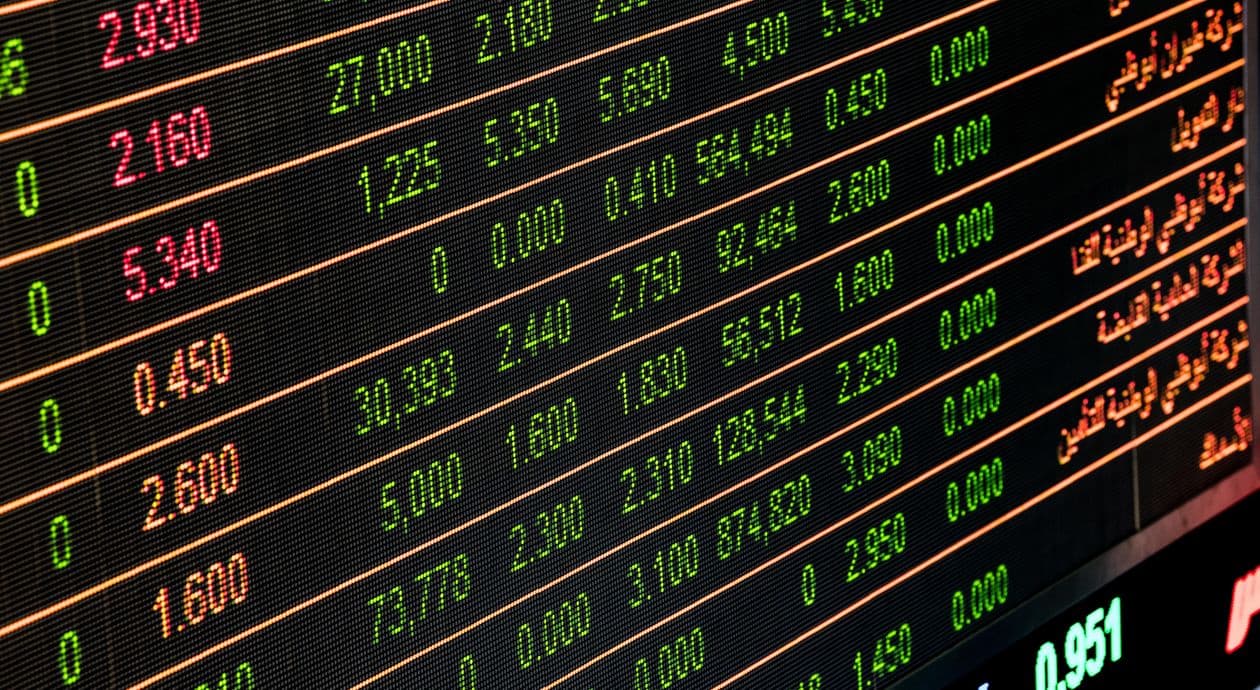
The S&P 500 rose 0.56 percent on Monday to close above its June record, notching a fourth straight day of gains. The Dow Jones Industrial Average jumped 1.30 percent and the Nasdaq climbed 1.13 percent, with the rally extending into Tuesday trading.
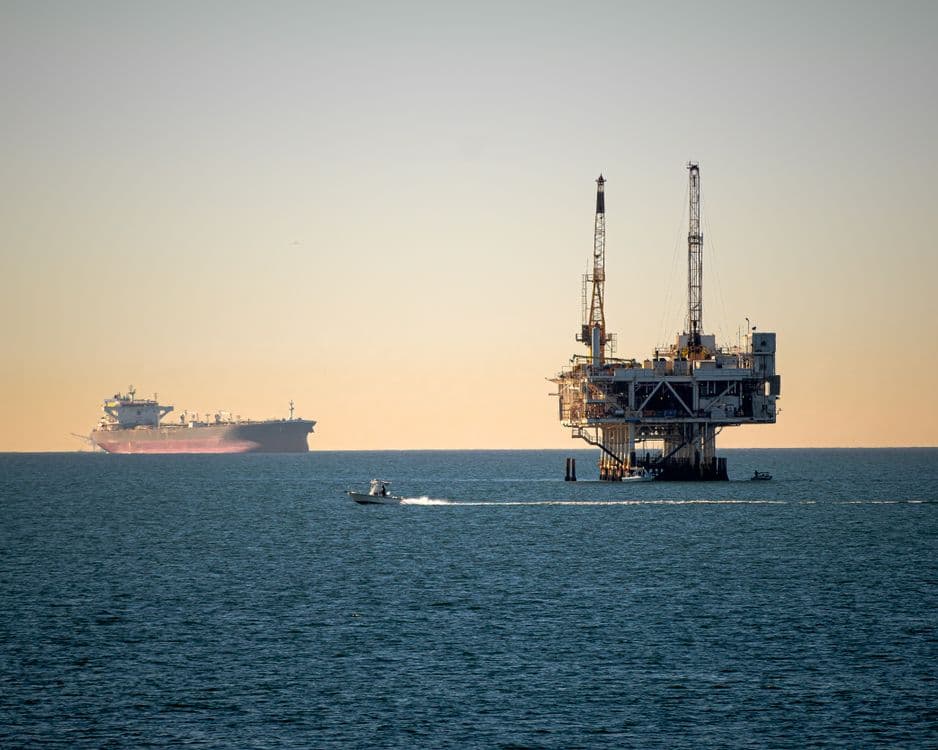
The trigger was geopolitics. West Texas Intermediate crude — the main US oil benchmark — fell 5 percent on optimism that international mediators can broker a deal over the Strait of Hormuz and avoid major American airstrikes on Iran. Bonds rose alongside stocks as inflation fears eased.
Corporate results helped too. A solid outlook from Palantir Technologies reassured investors that demand for artificial intelligence software remains strong, keeping the sector that has driven this bull market firmly in charge.
Markets are enjoying a rare alignment: falling oil prices, lower inflation expectations, stronger growth data, declining bond yields and rising equities all at the same time.
Why it matters
Oil is the price that touches every other price. When crude falls 5 percent in a day, the market is repricing the cost of moving goods, flying planes, running factories and heating homes. That is why a drop in oil so often produces a rise in almost everything else — it acts like a tax cut for the entire world economy.
The inflation channel matters most right now. Central banks on both sides of the Atlantic have been holding interest rates steady partly because the Middle East conflict pushed energy prices up. If oil keeps falling, that pressure fades, and the case for rate cuts strengthens — which is exactly what bond markets began pricing on Monday.
A record close also has a psychological effect. New highs pull in cautious money that has been sitting on the sidelines, which can extend rallies well beyond what the original news justified.
Explained simply
The Strait of Hormuz is the single checkout lane for a fifth of all oil traded worldwide — when someone threatens to close the lane, every shopper in the store pays more, and when it looks like reopening, prices fall everywhere at once.
The strait is a narrow stretch of water between Iran and Oman through which tankers carry roughly one in five barrels of oil consumed globally. There is no practical way to reroute most of it. So the mere possibility of disruption forces buyers to pay a fear premium on every barrel.
What happened this week is that the fear premium started to deflate. Reports that mediators may broker a deal made traders less worried about supply, so they sold oil, which made investors less worried about inflation, so they bought shares and bonds.
Note the chain: no oil has actually started flowing differently yet. Markets move on probabilities, not events — they are pricing tomorrow, not reporting today.
What it means for you
If you have a workplace pension, it almost certainly holds American shares — global equity funds typically allocate 60 percent or more to the US market. A record S&P 500 close means the largest slice of your retirement pot just reached an all time high.
At the petrol pump, wholesale price falls usually take two to four weeks to reach the forecourt. A sustained 5 percent drop in crude could shave several pence off a litre of unleaded by late August, saving a typical driver a few pounds per tank.
For savers, the flip side: if falling oil speeds up rate cuts, easy access savings rates near 4 percent will drift down. Locking a portion into a one year fixed rate bond now captures todays higher rates before they fade — current best buys sit noticeably above where markets expect rates in a year.
The bigger picture
This rally is now four days old and built substantially on hope: hope of a Hormuz deal, hope of rate cuts, hope that AI spending continues. Hope-driven rallies can run far, but they are fragile — a single failed negotiation headline could put the 5 percent back on oil overnight.
Watch three things this week: progress in the mediation talks, the AMD and SpaceX results for the health of the technology trade, and bond yields, which will confirm whether markets truly believe inflation is beaten.