What happened
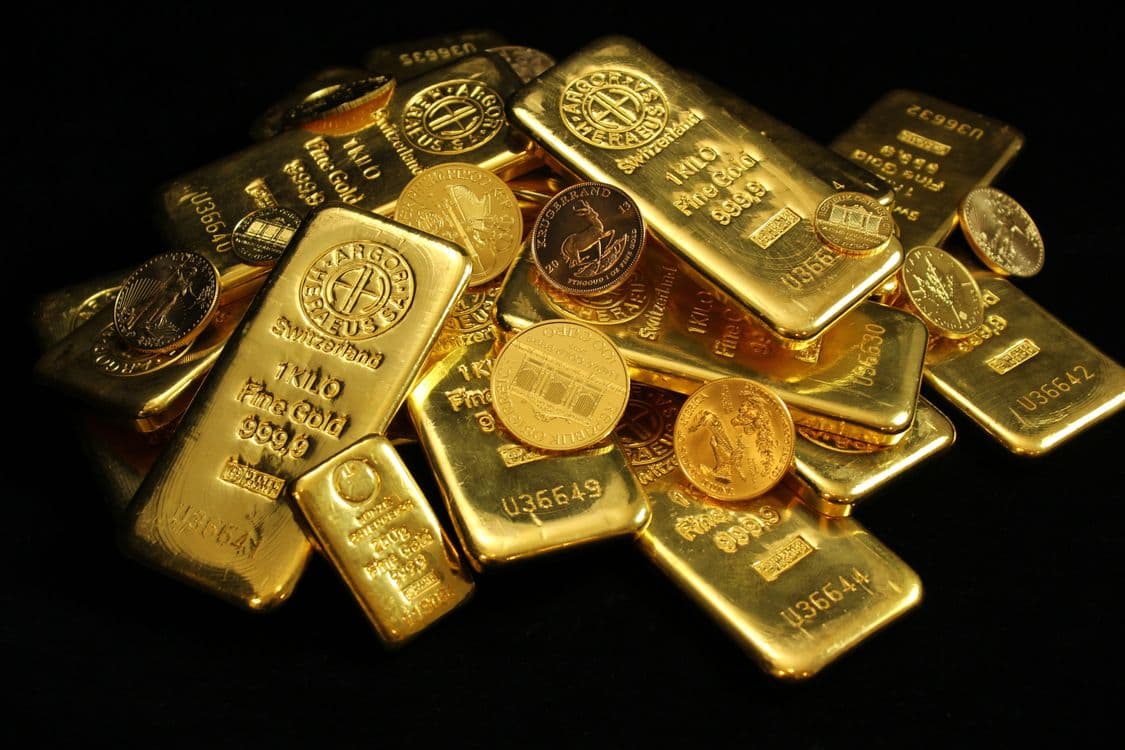
Gold climbed 2.4 percent to 4,175.53 dollars an ounce on Wednesday morning, its highest level since 7 July and its third straight session of gains. The rally was powered by two forces moving at once: a weaker US dollar and a sharp fall in oil prices.
The US dollar traded subdued through the Asian and early European sessions. Because gold is priced in dollars, a softer dollar makes the metal cheaper for buyers holding pounds, euros or yen, which tends to lift demand.
At the same time, crude oil is down roughly 10 percent this week after Washington delayed planned military action against Iran to allow more time for diplomacy. Cheaper oil trims expected inflation, and with it the perceived odds that the Federal Reserve, the US central bank, will need to keep interest rates high. Investors are now waiting for US jobs data later this week for the next steer on rates.
Why it matters
Gold above 4,000 dollars was almost unthinkable three years ago, and the metal has become one of the defining trades of this decade. Central banks have been buying record amounts, investors have used it as insurance against inflation and conflict, and every fresh high pulls in more money.
The interesting part of this move is what it says about interest rate expectations. Gold pays no interest, so it usually struggles when rates are high and cash earns a good return. A 2.4 percent jump in one session tells you markets increasingly believe US rates have peaked and could fall, which would ripple through mortgage rates, savings rates and stock markets worldwide.
It also matters for the UK. When global investors expect lower US rates, borrowing costs tend to ease everywhere, including the gilt market that sets the backdrop for UK fixed mortgage deals.
Explained simply
Gold pays no interest, so it is always competing with the savings account — when markets expect rates to fall, the savings account looks less attractive and gold shines brighter.
Think of every investor as choosing between two jars. One jar is cash, which pays interest set by central banks. The other jar is gold, which pays nothing but holds its value when money loses purchasing power or the world gets scary.
When interest rates are high, the cash jar wins by default, because you are paid handsomely just for waiting. But this week, falling oil prices lowered expected inflation, and lower inflation means central banks have less reason to keep rates high. Suddenly the cash jar looks less rewarding in future, so money flows to the gold jar.
Add in the softer dollar, which effectively puts gold on sale for everyone outside the US, and you get a 2.4 percent jump in a single morning. No mystery, just two dials turning in gold headed favour at the same time.
What it means for you
If you hold a gold fund or a gold ETC (an exchange traded product that tracks the metal price) inside a Stocks and Shares ISA, this week has added to your returns, and gold has been one of the best performing assets of 2026 so far. Many multi asset pension funds also hold a small slice, typically 2 to 5 percent.
Thinking of buying now? Be careful about chasing a one month high. Gold at 4,175 dollars already reflects a lot of optimism about rate cuts, and the metal can fall hard when expectations shift. Most advisers suggest gold as a small stabiliser in a portfolio, not a core holding.
The bigger personal finance signal is about rates. If markets are right that inflation pressure is easing, UK savers should lock in the best fixed rate savings deals while they last, currently around 4.5 percent for one year, because those offers tend to shrink quickly once rate cuts come into view.
The bigger picture
Gold has climbed from around 2,000 dollars in 2023 to above 4,100 today, a rally driven by central bank buying, geopolitical conflict and sticky inflation. Each of those drivers is still in play, but each can also reverse, and a durable peace arrangement in the Middle East would remove one of the pillars.
The next test comes with US jobs data later this week. Weak numbers would fuel rate cut bets and likely push gold higher still. Strong numbers would revive the case for high rates and could knock the metal back below recent levels. Watch the 4,200 dollar mark, which traders now treat as the next milestone.