What happened
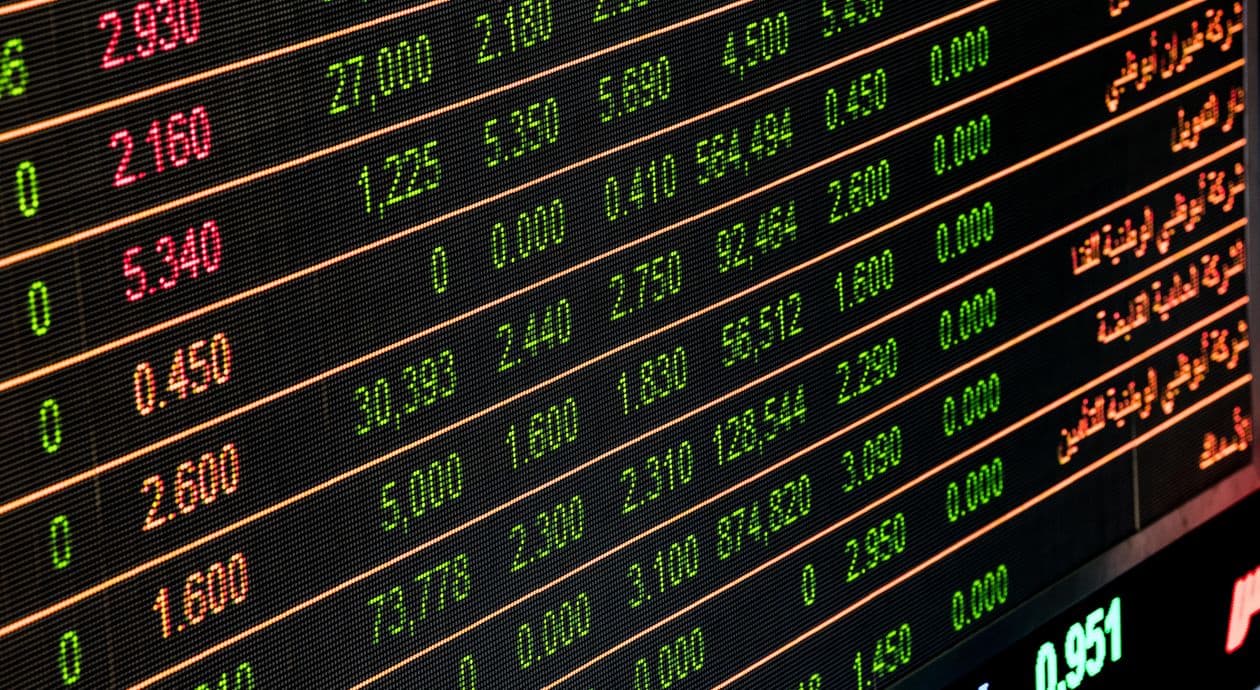
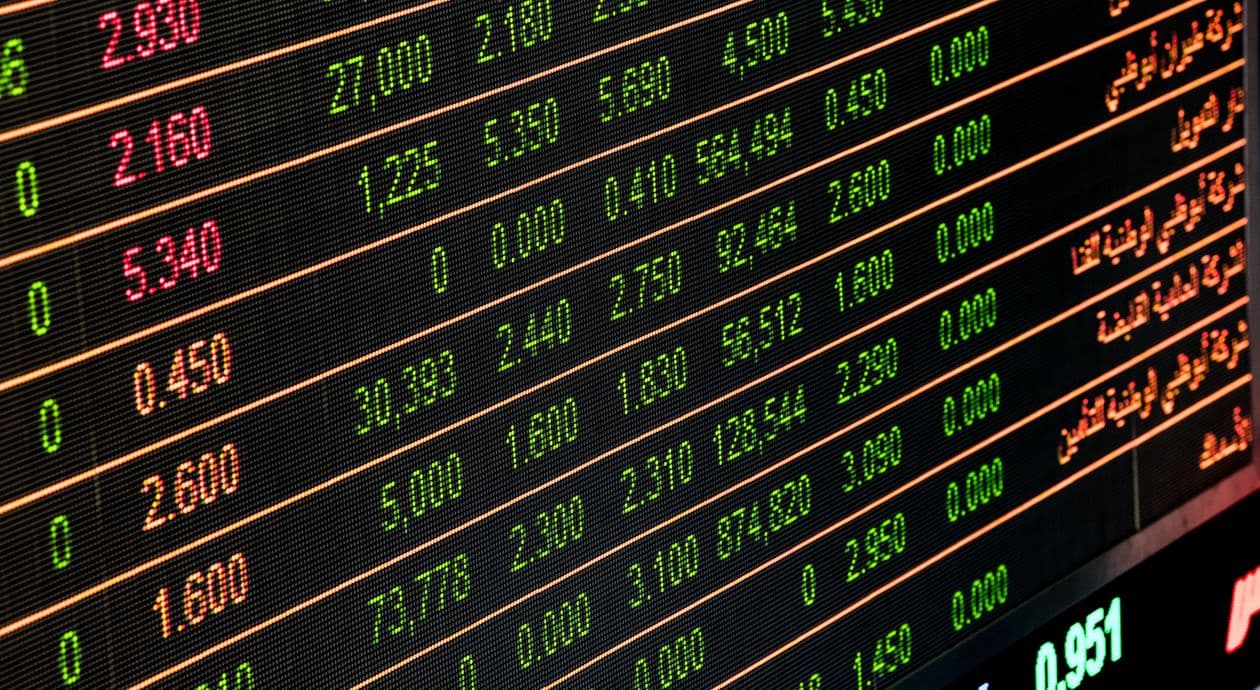
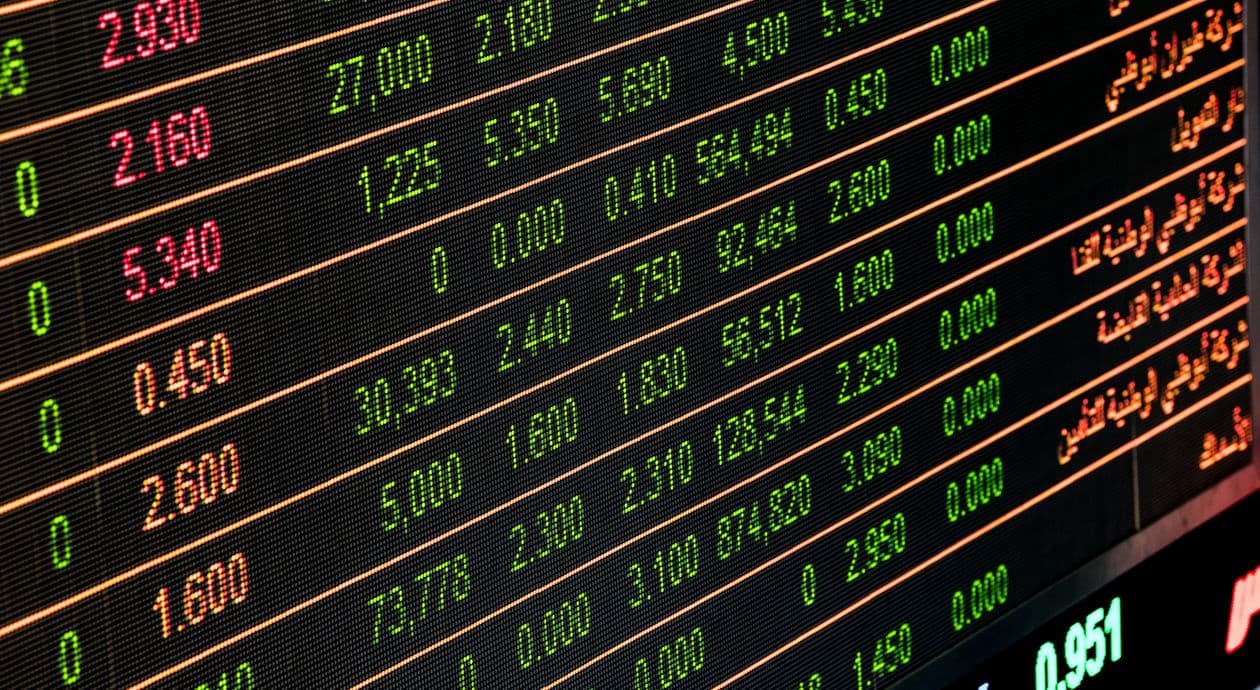
The S&P 500 jumped 1.8 percent on Monday 3 August to close above 7,700 for the first time ever, while the Dow Jones Industrial Average gained more than 900 points to notch a fresh record of its own. The tech-heavy Nasdaq 100 did even better, surging 3.3 percent in one of its strongest sessions of the year.
The rally was powered by a wave of blockbuster quarterly results from artificial intelligence and industrial companies. Shares in data analytics firm Palantir leapt almost 30 percent after its earnings smashed expectations, while Caterpillar also delivered surging results. Veteran economist Ed Yardeni pointed to what he called fabulous earnings momentum, noting the index is now moving toward his year-end target of 8,250.
The optimism spread around the world overnight. In Asia, South Korea led the way with the Kospi rising more than 4 percent, while Japan saw the Nikkei 225 climb 3.1 percent. Sentiment was further boosted by hopes of a swift resolution to the Strait of Hormuz crisis, which has kept oil markets and inflation forecasts on edge for months.
By Tuesday, US futures were little changed as investors digested the gains, with attention turning to results from SpaceX and chipmaker AMD, which landed with a more mixed reception.
Why it matters
Record closes are more than a headline number. The S&P 500 is the benchmark that most pension funds, index trackers and global equity funds measure themselves against, so when it sets a new all-time high, the value of retirement savings across the UK, Europe and the US rises with it.
The composition of this rally also matters. It is being driven overwhelmingly by companies tied to artificial intelligence — software, chips and the industrial firms building the data centres behind them. That means the market is increasingly concentrated: a handful of giant companies now account for an outsized share of the index, so their results move everyone else.
There is also a macroeconomic message. Markets are climbing even though the Federal Reserve has kept interest rates on hold and inflation risks from the Middle East remain live. Investors are effectively betting that corporate earnings growth is strong enough to outrun both.
Explained simply
Think of the S&P 500 as a giant basket holding slices of the 500 biggest US companies — when the basket hits a record, it means the combined price tag on corporate America has never been higher.
Every day, investors buy and sell little slices of these companies, and the index simply adds up what all those slices are worth. When earnings season delivers results far better than expected, as Palantir and Caterpillar just did, investors decide the slices are worth more and bid the prices up.
The word record can sound alarming, as if the market must now fall back down. History does not support that instinct: record highs tend to come in clusters, because the same earnings strength that produces one record often produces the next. That said, a market priced for perfection has less room for disappointment, which is why a single cautious forecast from a big company can knock billions off the index in an afternoon.
The overnight moves in Asia show how connected the system is. A strong close in New York lifts confidence in Seoul and Tokyo, which in turn feeds back into European and US futures the next morning.
What it means for you
If you hold a global index fund or a workplace pension in a default fund, you almost certainly benefited this week. Most global trackers allocate around 60 to 70 percent of their money to US shares, so a 1.8 percent S&P 500 rally adds roughly 1 percent to a typical global fund in a single day.
Anyone holding a dedicated S&P 500 tracker, one of the most popular funds on UK platforms, captured the full move. FTSE 100 trackers lagged, as the London index has been held back by weakness in heavyweights such as AstraZeneca even while it trades near 10,900.
The practical caution is concentration. If your portfolio holds a global fund plus a US fund plus a tech fund, you may own the same handful of AI names three times over. Rebalancing after a strong run, rather than chasing it, is the standard discipline.
The bigger picture
This rally extends a bull run that has repeatedly defied predictions of exhaustion. The key support is earnings: as long as companies keep beating forecasts, strategists such as Yardeni see room for the index to push toward 8,250 by year end.
The risks are equally clear. A flare-up in the Strait of Hormuz would push oil and inflation higher, and the Federal Reserve has signalled it will not hesitate to act on inflation — a rate rise would test valuations quickly. Watch the next round of megacap tech results and the September Fed meeting.