What happened
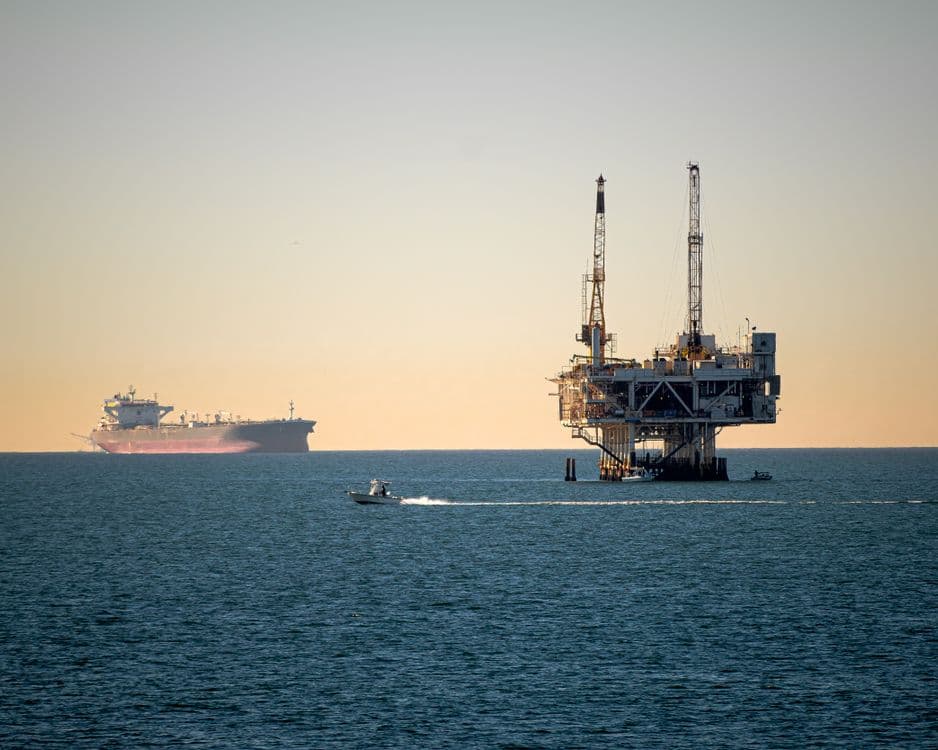
Brent crude reached 99.38 dollars a barrel by mid morning New York time on Wednesday 3 September, some 31.50 dollars higher than a year earlier. Brent is the North Sea benchmark used to price roughly two thirds of globally traded oil, which is why it matters most for European fuel costs.
West Texas Intermediate, the American benchmark, rebounded above 90.50 dollars on Wednesday, a six week high, extending a two session rally. Crude has risen 12.92 percent in a month, a move that normally follows either a supply disruption or a geopolitical shock. Here it is both.
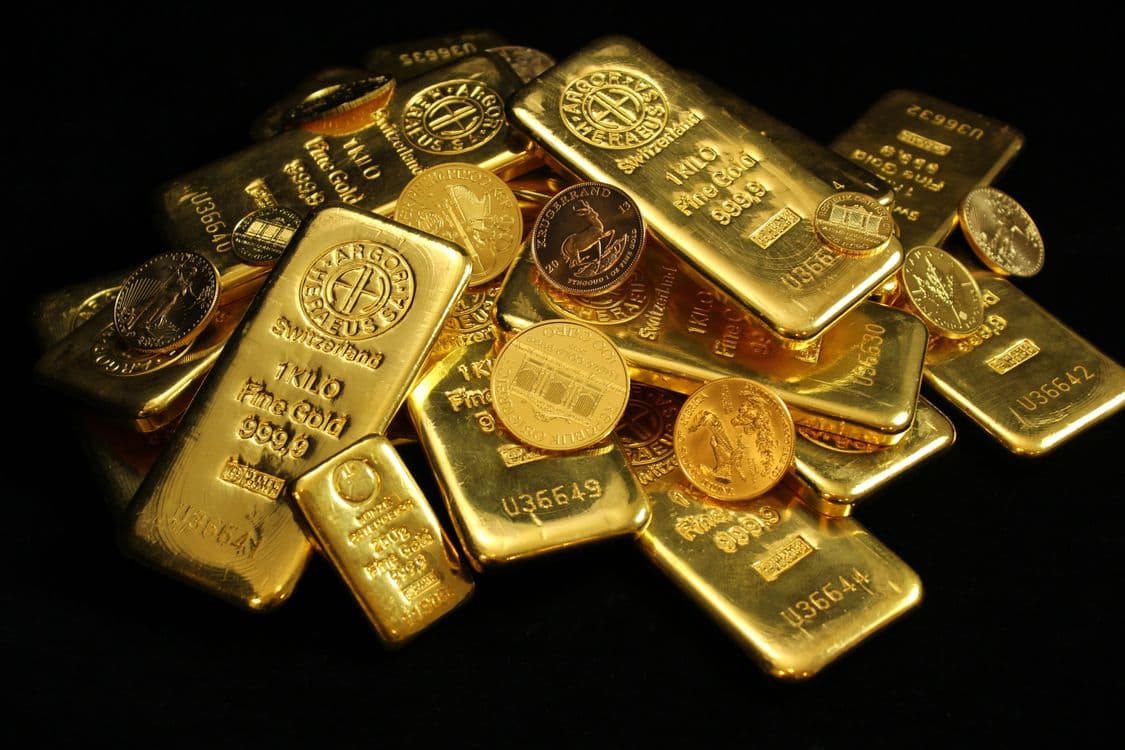
The driver is renewed military exchange between the United States and Iran, magnifying disruption to crude leaving the Gulf. The critical geography is the Strait of Hormuz, the narrow channel through which a substantial share of seaborne oil must pass. Traders do not need it to close to bid prices up, only to believe it might. Gold moved the same way, reaching 4,427.99 dollars an ounce, up almost 25 percent on the year.
Why it matters
Oil touches almost every price in the economy. It fuels the lorries moving goods to shops, heats homes, generates electricity, and is an input into fertiliser, plastics and packaging. A 30 dollar rise works through thousands of separate prices over the following six to twelve months.
This is why central banks have stopped talking about cuts. An oil shock is a supply side shock: it raises prices while reducing activity, because households spending more on fuel spend less on everything else. It is the least convenient inflation, since raising rates does nothing to increase the supply of oil.
Britain is directly exposed, importing a significant share of its energy, pricing it in dollars, and carrying meaningful transport and household energy weight in its inflation basket. That is the chain from a tanker in the Gulf to the Bank of England decision on 17 September. It is also regressive, since fuel takes a far larger share of income from lower earners and rural households.
Explained simply
Oil markets price fear, not just barrels. Nobody has actually blocked the Strait of Hormuz, but every trader is buying insurance against the possibility, and the cost of that insurance is baked into what you pay at the pump.
Oil demand is highly inelastic in the short term, which is the economist way of saying that if the price doubles tomorrow, people still drive to work and factories still run. So when supply is even slightly at risk, buyers compete hard for available barrels and the price must rise a long way before demand falls enough to balance the market.
The Strait of Hormuz is a shipping lane about 21 miles across at its narrowest, and most oil exported by Saudi Arabia, Iraq, Kuwait, the UAE and Iran must pass through it with no meaningful alternative route. Traders and airlines respond by buying futures, contracts to receive oil at a set price later, hedging a spike they cannot afford. All that buying lifts the price today even though no barrel has gone missing.
Then it reaches you. Refineries turn crude into petrol and diesel and sell to forecourts, which work through existing stock first, so pump prices lag crude by two to six weeks. They also rise faster than they fall, a pattern documented well enough to have earned the nickname rockets and feathers.
What it means for you
A sustained 30 dollar rise in crude translates to roughly 15 to 20 pence a litre at UK forecourts once fully passed through, or 8 to 10 pounds per 50 litre fill. Filling weekly, that is 400 to 500 pounds a year. Supermarket forecourts and price comparison apps typically save 5 to 8 pence a litre against motorway and branded sites.
Household energy follows. The UK price cap resets quarterly and reflects wholesale gas costs, which move broadly with oil during a geopolitical shock. If crude holds near 100 dollars, the next revision is more likely to rise than fall, so fixed tariffs available now deserve a look even if they price slightly above the current cap.
For investors the sector effects are sharp and opposite. Energy is the strongest S&P 500 sector this quarter, up around 21 percent, and the FTSE 100 carries a heavy oil major weighting, one reason the UK index has held up better than domestic mid caps. Airlines, hauliers and chemicals firms sit on the losing side. If you hold a FTSE 100 tracker you already own this exposure, so an energy fund on top concentrates a bet you have partly made.
The bigger picture
Oil near 100 dollars is not unprecedented. Prices exceeded it in 2008, between 2011 and 2014, and briefly in 2022 after the invasion of Ukraine. Each episode fed inflation, squeezed spending, and eventually prompted higher production and a retreat. Geopolitical premiums fade faster than most expect, provided the feared disruption does not materialise.
What is different is the timing, arriving just as central banks prepared to declare victory over inflation. Watch three things: whether OPEC members raise output, whether Hormuz traffic is actually interrupted rather than threatened, and the US inflation data due before the Federal Reserve meets on 16 September.