What happened
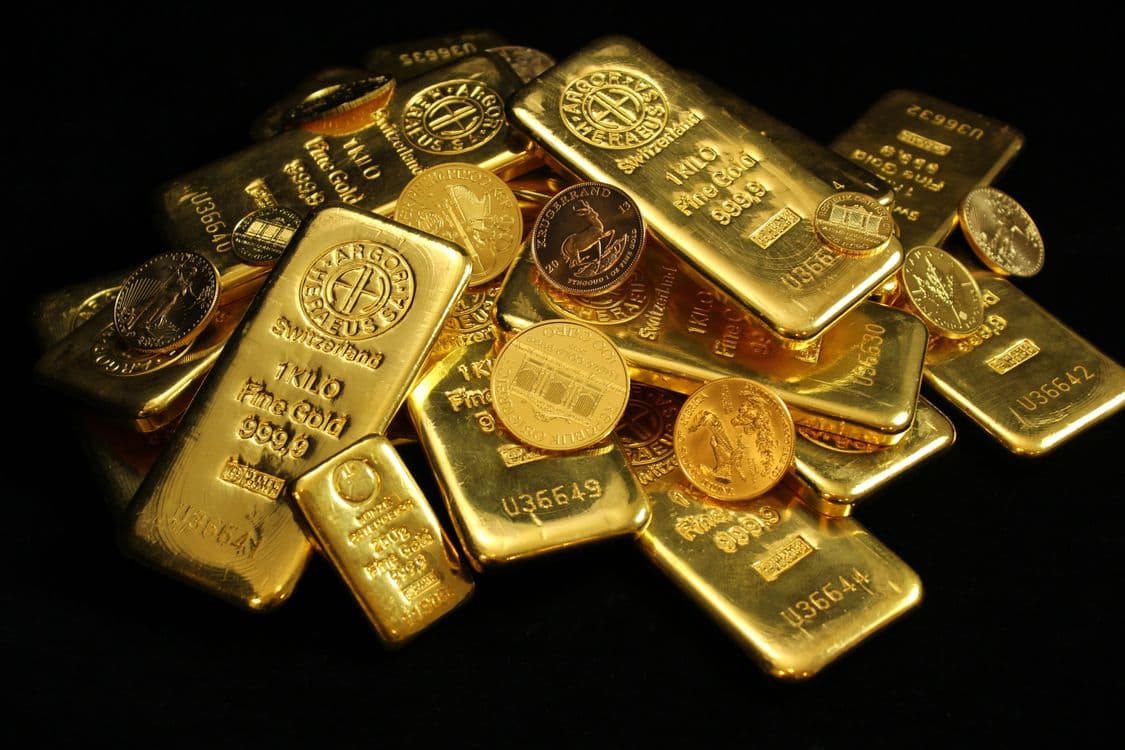
UK government bonds led a global sell off on Tuesday 1 September. Benchmark 10 year gilt yields climbed as much as 11 basis points to 5.25 percent, while 30 year yields reached 5.89 percent, the highest since May 1998. A gilt is a loan to the British government, and a basis point is one hundredth of a percentage point.
Part of the move was mechanical: London was closed for a bank holiday on Monday while global bonds fell, so Tuesday opened with two days of news to absorb. The underlying driver was inflation. Renewed strikes between the United States and Iran pushed energy prices sharply higher, and energy feeds directly into UK inflation.
Traders repriced the Bank of England accordingly, moving to price almost two quarter point rises before December, a striking reversal for a bank that spent eighteen months cutting. Bank Rate, the anchor for every other rate in the country, stands at 3.75 percent with the next decision on 17 September. By Thursday the 10 year yield had eased back to 5.236 percent, though UK mid cap shares hit a near one month low during the worst of it.
Why it matters
Gilt yields are the closest thing Britain has to a single price for money. They set what the government pays to borrow, anchor the swap rates lenders use to price fixed mortgages, and benchmark every UK company bond and pension liability. A quarter point move in a session drags a great deal with it.
The public finances feel it first. The UK has over two trillion pounds of debt, a slice of which must be refinanced annually at whatever the market demands. Higher yields mean a bigger interest bill, less headroom against the fiscal rules, and more pressure on the Chancellor at the next Budget.
Households feel it next. Around a million and a half UK fixed rate mortgages come up for renewal each year, priced off these yields rather than off Bank Rate directly. And a 30 year yield at 1998 levels signals investors want serious compensation to lend to Britain long term, which is harder to fix than one bad inflation print.
Explained simply
A gilt is a fixed promise, like agreeing to receive 50 pounds a year forever. If inflation threatens to make 50 pounds worth much less, nobody will pay the old price for that promise, so the price falls until the return looks fair. That falling price is the rising yield.
When the government issues a gilt it promises a fixed cash payment each year, called the coupon, then returns the original sum at the end. The coupon never changes. What changes is the price investors will pay for that stream of payments.
The yield is simply that annual payment as a percentage of the price paid. A gilt paying 5 pounds a year bought for 100 pounds yields 5 percent. If fear of inflation means buyers will only pay 90 pounds, the yield becomes 5.6 percent. Price down, yield up: two ways of describing one number.
Inflation does this because a gilt pays fixed pounds while inflation erodes what a pound buys. And if investors expect Bank Rate to rise, new gilts will pay more, making existing ones less attractive. This week the whole chain fired at once: oil up, inflation expectations up, rate expectations up, gilt prices down.
What it means for you
If your mortgage fix ends within six months, act this week. Most UK lenders let you reserve a rate up to six months ahead and switch free if pricing improves, so booking now costs nothing. Best buy five year fixes have been in the low to mid 4 percent range and the pressure on that pricing is upward.
Savers benefit. Fixed rate bonds and Cash ISAs are priced off the same curve, and one and two year fixes typically reprice upward within weeks of a move like this, so waiting a fortnight before locking money away is reasonable. If you are near buying an annuity, higher long dated gilt yields directly improve the income your pot can purchase.
Bond fund holders should check duration. A gilt fund holding long dated bonds will have taken a visible hit, because long bonds are far more price sensitive to yield moves. That is painful now, but the fund is reinvesting at much higher yields, which improves expected returns from here.
The bigger picture
The last time 30 year UK borrowing costs sat here, Tony Blair was in his first term and the Bank of England had only just been made independent. That says a lot about how far the low rate era has unwound and how exposed Britain is to imported energy.
The next test is the Bank of England decision on 17 September, preceded by the UK inflation release. Watch the spread between UK and German long dated yields, which measures the extra investors demand specifically to lend to Britain, and demand at the next long gilt auctions.