What happened
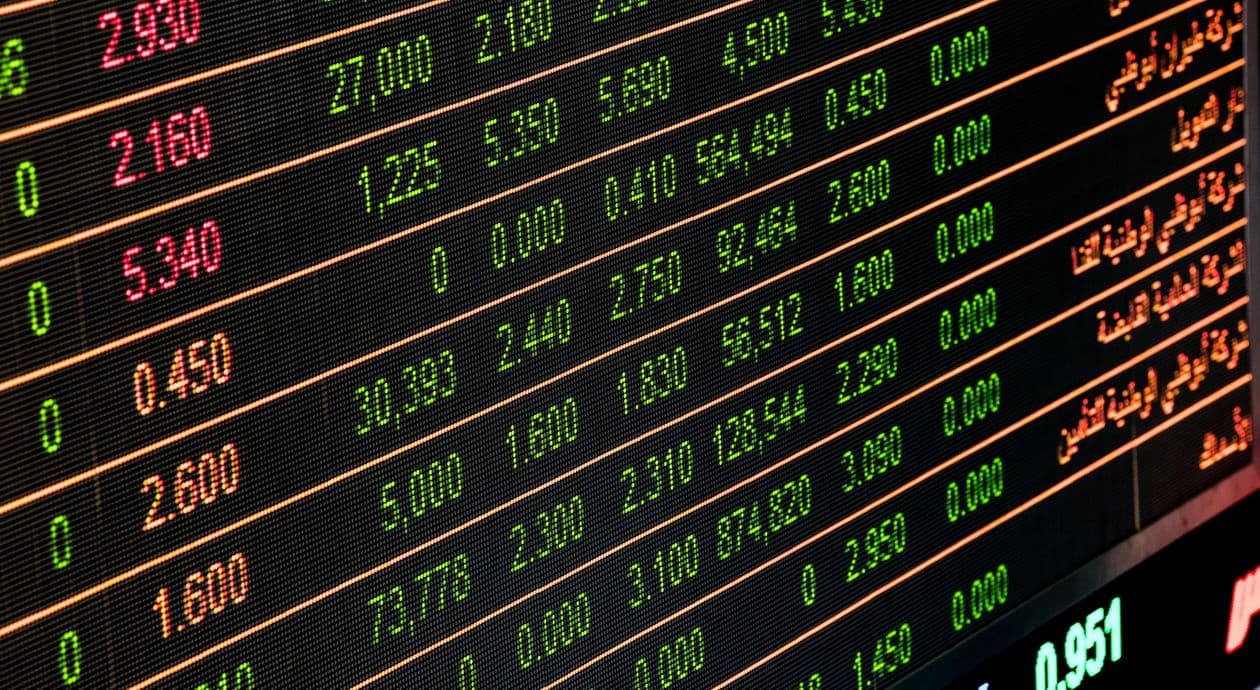
Brent crude rose 1.51 percent on Friday 14 August to 88.38 dollars a barrel, capping a week in which the global benchmark gained close to 5 percent and at one point traded near 90 dollars. That leaves Brent roughly 4 percent higher over the past month and about 34 percent above where it stood a year ago, a move that has quietly become one of the defining economic stories of 2026.
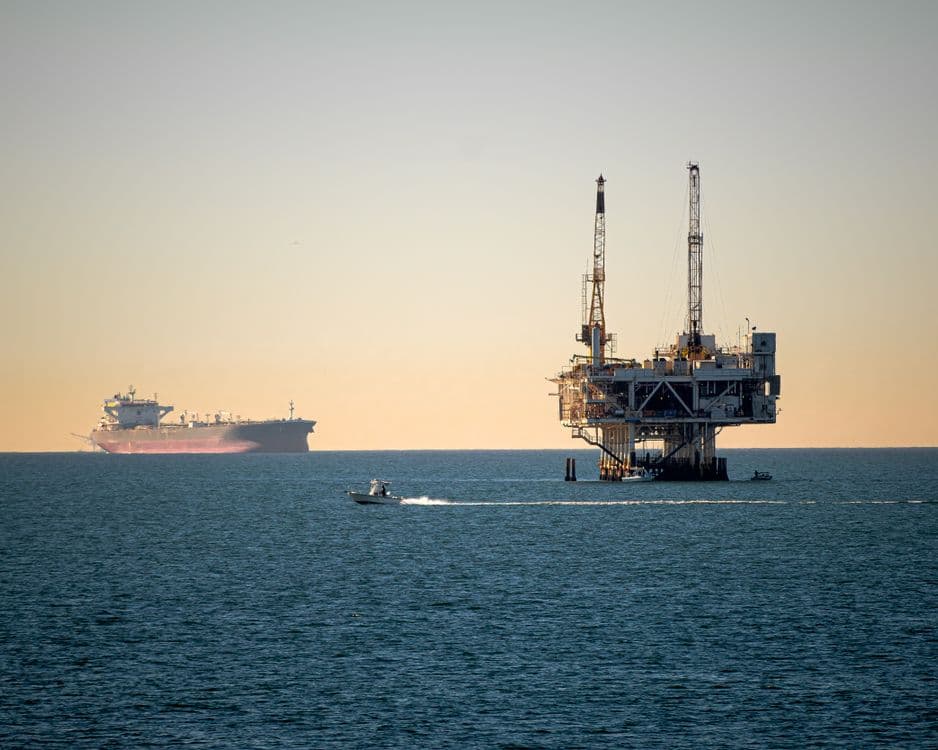
The immediate trigger was a fresh round of attacks on shipping in the Middle East, which knocked back hopes of a negotiated reopening of the Strait of Hormuz. The strait is a narrow sea channel between Iran and Oman, only about 21 miles wide at its tightest point, through which roughly a fifth of the oil consumed worldwide is shipped. There is no practical way to move that volume around it.
Washington has escalated rather than softened. The US Treasury Secretary, Scott Bessent, said the United States would impose unprecedented economic measures on Iran while maintaining its naval blockade of Iranian ports. Traders read that as a signal that the standoff has months rather than weeks left to run, and priced barrels accordingly.
Official forecasters have started to build the disruption into their baseline. The US Energy Information Administration now says it does not expect Middle East oil production to return to anything close to pre conflict levels until early 2027, and sees Brent averaging 87 dollars a barrel across 2026. The International Energy Agency has gone further, warning of the widest global supply deficit in five years, meaning the world is consuming more oil than it is producing and drawing down stored barrels to make up the gap.
Why it matters
Oil is not just a commodity that some people trade. It is an input into almost every price in a modern economy. It moves the lorry that brings food to the supermarket, heats the greenhouse that grows the tomato, powers the factory that makes the packaging, and fuels the plane that carries the holidaymaker. When crude rises, the increase does not appear in one place. It appears everywhere, slightly, at once.
That is why a 34 percent annual rise in Brent is a central bank problem rather than an energy sector story. UK inflation fell to 2.6 percent in June partly because fuel prices dipped during a brief lull in Middle East tensions. That lull is over, and forecasters now expect UK inflation to climb toward 3.7 percent later this year as the energy spike works through the system. Every month oil stays near 90 dollars makes an interest rate cut less likely.
There are winners as well as losers, and the FTSE 100 happens to be full of them. Shell and BP together make up a meaningful slice of the index, and energy companies have been among the largest contributors to positive earnings surprises this season. British savers with UK index funds have been indirectly hedged against their own petrol bills, which is one of the few genuinely comforting facts in this story.
The losers are more numerous. Airlines, hauliers, chemicals producers and anyone who converts fuel into a service face a margin squeeze they can either absorb or pass on. Most eventually pass it on.
Explained simply
Oil is the yeast in the price of everything else. Add a little more to the mix and the whole loaf rises, slowly at first and then all at once.
Start with the barrel. Crude oil is refined into petrol, diesel, jet fuel, heating oil and the chemical feedstocks that become plastics and fertiliser. A refinery buys crude at the world price and sells refined products at a price that tracks it, so a rise in Brent shows up at the pump within roughly two to four weeks. Filling stations pass on increases quickly and reduce them slowly, which is a source of endless and largely justified public irritation.
The second wave is slower and larger. Diesel is what moves freight, so every product that travels by road gets fractionally more expensive to deliver. Retailers absorb small increases and pass through large ones. Because this happens across thousands of products simultaneously, it appears in the inflation statistics as a general rise rather than as an oil story.
The third wave is the one central bankers fear. If workers see prices rising across the board, they ask for larger pay rises. If firms grant them, costs rise again, and the original energy shock becomes embedded in the general price level long after the barrel price has settled. This is what economists mean by a second round effect, and it is the reason a central bank may keep interest rates high during an energy shock even though high rates do nothing whatsoever to produce more oil.
The blockade angle matters because it changes the type of problem. A demand driven price rise means the world economy is booming. A supply driven price rise, which is what a closed shipping lane produces, means the same amount of money is chasing fewer barrels. The first is a sign of health. The second is a tax on everyone.
What it means for you
The most immediate effect is at the petrol station. Crude near 88 dollars sustained over several weeks typically translates into pump prices rising by several pence per litre, and the increase tends to arrive faster than the eventual decrease. If you drive a lot, filling up earlier in a rising market genuinely saves money, though the effect is measured in pounds rather than tens of pounds.
Energy bills are the slower and larger exposure. Household gas and electricity prices in the UK are reset periodically under the price cap, using wholesale costs from an earlier reference window. That means a summer spike in energy markets tends to reach household bills in the following price period rather than immediately. If you are on a variable tariff, it is worth comparing fixed deals now rather than waiting for the next announcement.
For investors, the natural hedge is already in most UK portfolios. A FTSE 100 tracker holds substantial weightings in oil majors, which benefit from higher crude prices. Global trackers hold much less energy exposure and much more technology, which suffers when higher inflation pushes interest rate expectations up. If your entire portfolio is one broad global fund, you have less protection from this particular shock than you might assume.
For savers, sustained high oil is an argument for patience. Higher inflation makes near term interest rate cuts less likely, which means easy access accounts paying close to 4 percent are more likely to hold that level into next year than to drift lower over the autumn.
The bigger picture
Oil shocks have a long and consistent history of reshaping economies. The 1973 embargo produced years of stagflation across the developed world. Brent peaked near 147 dollars in July 2008 shortly before the financial crisis, and spiked to 139 dollars after the invasion of Ukraine in 2022. In each case the price eventually fell, but the inflation left behind took far longer to clear than the geopolitics that caused it.
What differs this time is the supply picture underneath. The International Energy Agency is not describing a temporary scare but a structural deficit, with the widest shortfall in five years. Spare production capacity outside the affected region is limited, and the EIA timeline of early 2027 for a return to normal output implies that this is a problem to be managed rather than waited out.
The things to watch are the state of negotiations over the strait, any change in the American naval posture, and the monthly OPEC output figures. A credible reopening would take perhaps 10 dollars off the barrel price quickly. Continued attacks on shipping would put 100 dollars back on the table.