What happened
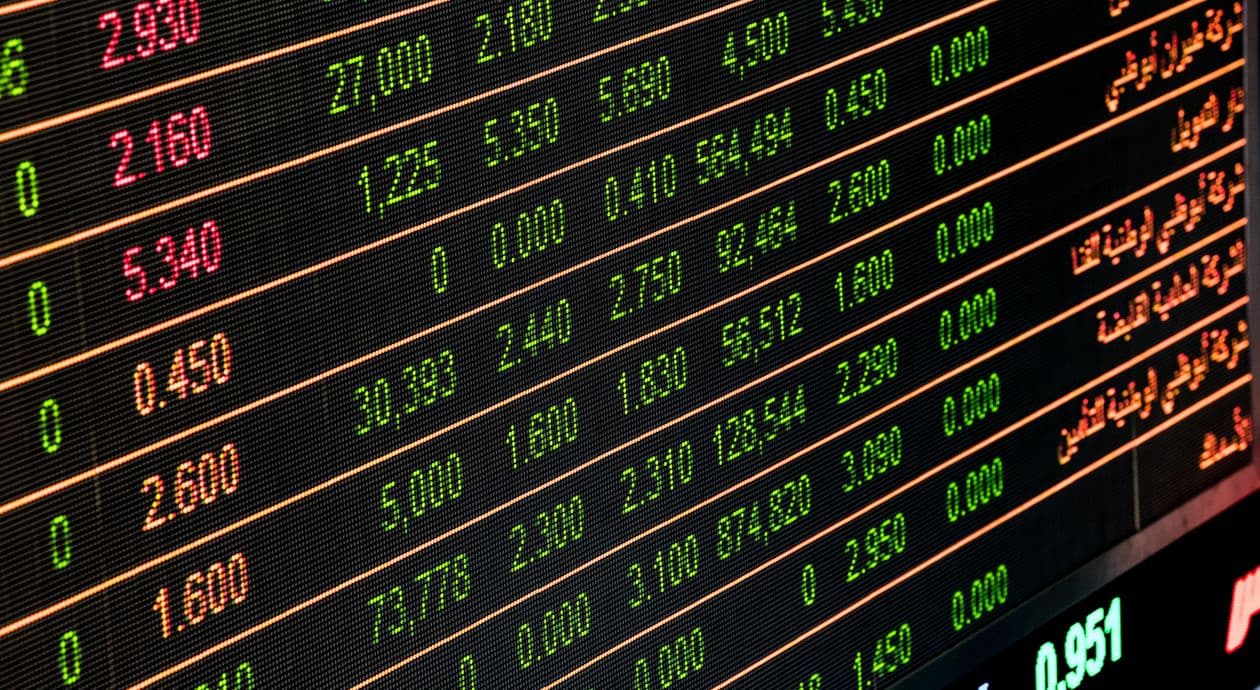
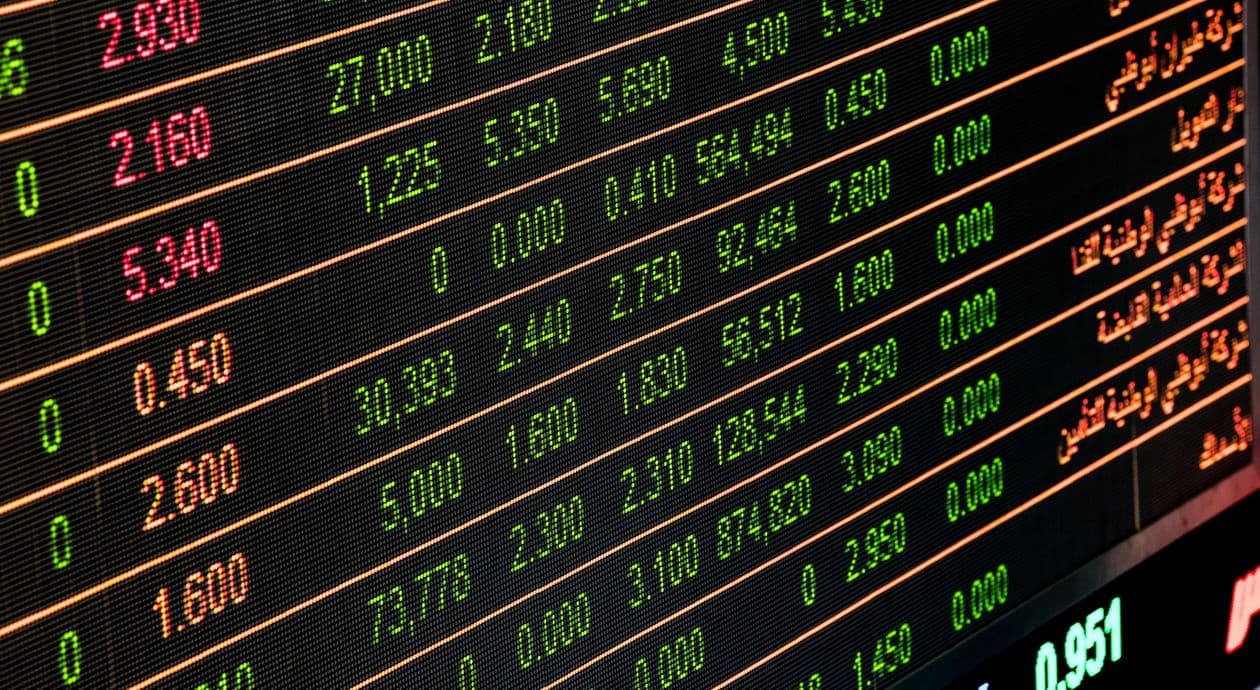
The S&P 500 closed at 7,781 points on Friday 14 August, down 0.22 percent on the day, while the Dow Jones Industrial Average shed 108 points or 0.20 percent to finish at 53,732. Despite the soft ending, both indices posted a third straight week of gains, and the Russell 2000, which tracks smaller American companies, notched a fresh record close.
The week began far more cheerfully. The S&P 500 reached a record close midweek, lifted by cooler than expected July inflation data and a temporary retreat in oil prices. Bond markets took the same view, with the yield on the benchmark ten year US Treasury note easing to 4.6704 percent. A bond yield is the annual return an investor earns from holding government debt, and it falls when investors expect interest rates to come down.
Friday afternoon undid part of that optimism. The preliminary University of Michigan consumer sentiment reading for August came in at 51.0, well below the 54.5 economists expected, and traders turned cautious in thin summer volumes. Oil added to the pressure, with Brent climbing back toward 88 dollars a barrel as tensions over the Strait of Hormuz persisted.
In London the picture was similar but weaker. The FTSE 100 traded at 10,772.67, down 0.56 percent, held back by the same combination of soft global sentiment and caution over the inflation outlook. Individual movers included Cisco Systems, Cerebras and Coherent, all of which fell after overnight earnings updates.
Why it matters
Three consecutive weekly gains matter more than one bad Friday. Markets spend most of their time drifting sideways punctuated by short bursts, and a run of positive weeks against a backdrop of geopolitical disruption and weak consumer confidence tells you that investors are still finding reasons to buy. The main reason, at the moment, is corporate earnings.
The current earnings season has been unusually strong. Revenue growth for the S&P 500 is running at around 15.0 percent, which if sustained would be the highest since the fourth quarter of 2021 and the second consecutive quarter of double digit revenue growth. Crucially, this is revenue rather than profit, meaning companies are selling more rather than simply cutting costs. Energy and health care contributed the largest positive surprises during the past week.
There is a wrinkle in that strength. When earnings are this good, expectations rise to meet them, and the bar for a positive surprise keeps climbing. Some strategists have started to argue that results this strong are themselves a risk, because they price in a level of corporate performance that is difficult to sustain if consumer demand softens in the way the Michigan survey suggests.
The Russell 2000 record is the quietly interesting detail. Smaller companies are more dependent on domestic demand and more sensitive to borrowing costs than the large multinationals in the S&P 500. A record in small caps usually signals that investors expect lower interest rates and a resilient domestic economy, which sits awkwardly beside a consumer sentiment reading of 51.
Explained simply
A record high is not a ceiling and it is not a warning. It is simply the highest step reached so far on a staircase that, over long enough periods, has kept going up.
An index like the S&P 500 is a weighted average of share prices. It rises when the companies inside it become more valuable, either because they are earning more or because investors are willing to pay more for each pound of those earnings. Understanding which of those two things is happening tells you almost everything about whether a rally is healthy.
When earnings drive the move, the rally has foundations. Companies are genuinely selling more, and share prices simply reflect that. Revenue growth of 15 percent is a foundation story. When the move comes instead from investors paying a higher multiple for the same earnings, usually because they expect interest rates to fall, the rally rests on a forecast. Forecasts can be revised.
Interest rates matter to share prices for a mechanical reason. A share is a claim on future profits, and future money is worth less than money today. The rate used to discount those future profits back to a present value is anchored to government bond yields. When the ten year Treasury yield falls from 4.8 to 4.67 percent, every future profit becomes fractionally more valuable today, and share prices rise without any company doing anything differently.
That is why a single consumer sentiment survey can knock a market. It does not change this quarter earnings at all. It changes the estimate of next year earnings, and it changes what investors think interest rates will do, and those two adjustments happen instantly while the actual economy takes months to respond.
What it means for you
If you contribute monthly to a workplace pension or a stocks and shares ISA, three consecutive positive weeks have improved your balance without requiring any action from you, and one soft Friday has not undone it. The correct response to both is the same, which is to keep contributing on schedule. Regular investing through both records and dips is how most ordinary portfolios are actually built.
If you hold a FTSE 100 tracker, note that it has lagged, sitting at 10,772.67 and down on the day. The UK index is heavier in energy, banks and consumer staples and much lighter in technology, which means it underperforms during technology led rallies and holds up better when energy prices rise. Owning both a UK and a global fund is one of the simplest forms of diversification available.
If you are approaching retirement, records are a good moment for an unglamorous task. Check what proportion of your pension sits in shares versus bonds and cash. A long rally quietly increases your equity weighting, so a portfolio you set at 60 percent shares three years ago may now be closer to 75 percent, carrying more risk than you chose.
And if you are tempted to buy because markets keep making records, be aware that the ten year Treasury at 4.67 percent means cash and bonds are paying a real return for the first time in a generation. There is no obligation to chase.
The bigger picture
Markets have spent 2026 balancing two forces pulling in opposite directions. Corporate earnings have been remarkably strong, powered largely by artificial intelligence infrastructure spending and resilient health care demand. Against that, an energy shock has pushed oil up more than 30 percent over the year and put a floor under inflation, which limits how far central banks can cut.
So far earnings have won. The S&P 500 has reached repeated records, and the fact that smaller companies are joining in suggests the strength is broadening beyond a handful of very large technology names, which is generally a healthier pattern than a narrow rally.
The things to watch from here are the final Michigan sentiment reading on 28 August, the next American payrolls report, and whether the current quarter revenue growth figure holds near 15 percent as the remaining companies report. If consumer weakness starts appearing in company guidance rather than only in surveys, the balance between those two forces shifts.